

From record-breaking heatwaves to unprecedented droughts and wildfires, extreme weather is gripping the globe and underscoring the urgency of the climate crisis.
Firefighters and local officials remain on high alert after Frances largest wildfire in decades was brought under control this weekend in the south of the country.
With scorching temperatures still in the forecast, there are fears that the flames could reignite.
Over the course of three days last week, the blaze swept through more than 160 square kilometres of the Aude wine region, claiming one life and forcing hundreds of residents to evacuate.
Record-breaking heat, ferocious wildfires, devastating floods August has only just begun, yet extreme weather events are already cropping up across the northern hemisphere.
According to the EuropeanCopernicus programme, this July was among the hottest on record.
French wildfire 'under control', but wine region faces long road to recovery
1.5C climate goals 'beyond reach'
Its becoming a familiar pattern as each summer brings with it a fresh batch of worrying climate milestones.
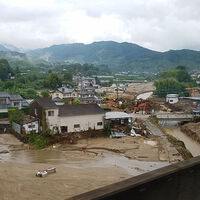
Early August 2025 is no exception, with Canada grappling with exceptional drought and fires; Pakistan and Hong Kong battling torrential rain; and Finland and Sweden sweltering under Mediterranean-style heatwaves.
Globally, the outlook isnt much more reassuring. The Copernicus climate service, which monitors the state of the planet year-round, has confirmed that July 2025 was thethird hottest month on recordjust behind July 2024 and July 2023, which still hold the all-time high.
Over the past 12 months, the average global temperature has been 1.53C above pre-industrial levels surpassing the 1.5C target set by the2015 Paris Climate Agreement.
While this figure alone doesnt confirm a long-term climate shift, the trend has experts worried.
In June, a group of leading French scientists formerly with theIntergovernmental Panel on Climate Changepublicly agreed for the first time that the Paris target is now out of reachas countries have failed to curb greenhouse gas emissions.
UN court rules countries must treat climate change as an 'existential threat'
Vietnam swelters under unprecedented heat
In Hanoi, locals are doing their best to keep cool seeking shade, avoiding the midday sun, and adjusting to the sweltering conditions.
Northern Vietnam has been scorched by record-breaking August temperatures, with highs of over 40C on Sunday 3 and Monday 4 August unheard of for this time of year.
According to RFI's correspondent in Hanoi, Jean-Pierre Fage, the temperature on the citys main roads feels several degrees hotter, with the dense traffic adding to the oppressive heat.
TheRed River Deltanormally a humid, fertile hub for agriculture saw humidity levels plunge to just 52 percent last Monday, intensifying drought conditions and prompting concerns among farmers.
Many have begun working earlier or later in the day to avoid peak heat and are ramping up irrigation efforts, according to national media.
July already brought three heatwaves to the region, with temperatures sitting 0.5 to 1.5C above seasonal norms.
A brief respite may be on the horizon, with the mercury expected to fall and storms brewing in the mountains.
But meteorologists are warning that anotherwidespread heatwavecould hit as early as this week, affecting the entire north.
More killer heat and rising seas likely in next five years, UN warns
Iran faces blackouts and water shortages
Meanwhile, the situation in Iran continues to deteriorate. In provincial towns and parts of Tehran, residents are now experiencing two two-hour power cuts each day.
Water shortages are becomingincreasingly severe, as reported by RFI's correspondent in Tehran, Siavosh Ghazi.
A drought worse than anything seen in the past five years has tightened its grip, crippling power generation and industrial output in some regions.
Electricity in key industrial zones has been cut for days at a time, severely affecting productivity.
Authorities have now issued a stark warning: Tehran and neighbouring Alborz province home to more than 20 million people, or a quarter of Irans population could run out of drinking water within six weeks.
Protests have already erupted in several cities, andunless conditions improve, the coming weeks could see further unrest.
Originally published on RFI